Auber 3D cell printing will become the technological foundation of "biomanufacturing"
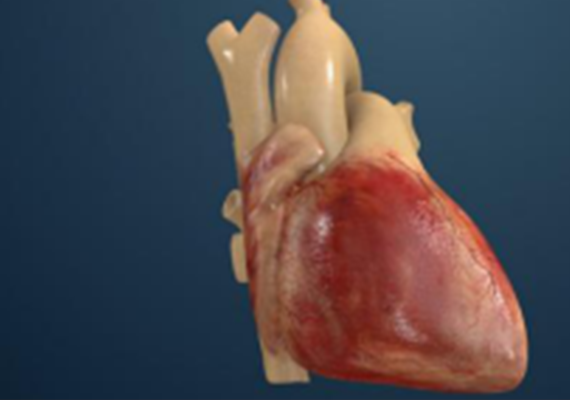
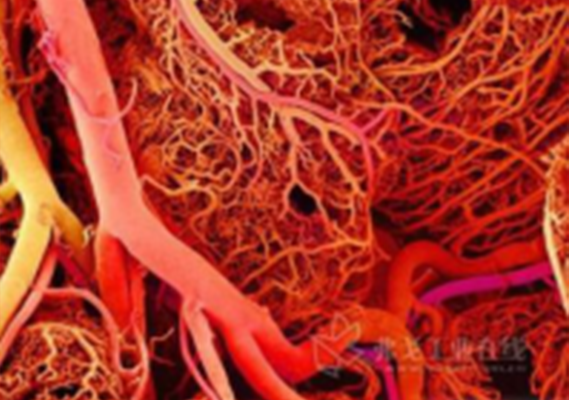
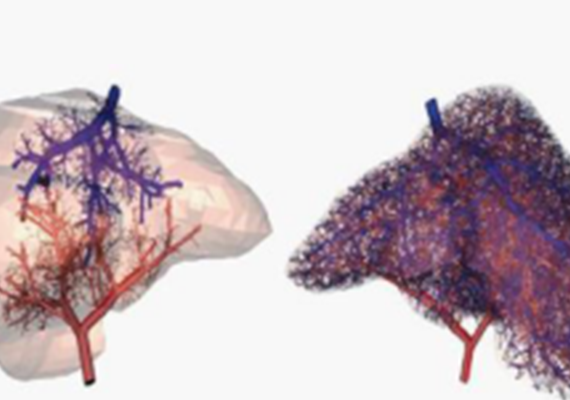
Organ shortages have become a global problem. For a long time, the medical industry has invested a large amount of resources in research in an attempt to solve the problem of insufficient transplant organs. And recent breakthroughs in the medical field such as 3D printing of livers and kidneys have excited the entire medical industry.
With the gradual improvement of the technology of inducing stem cells to differentiate into specific functional cells (such as liver cells, pancreatic cells, etc.), the basic "bio-ink" for 3D printing of human organs to recreate them is not far from the ultimate solution.
The 3D cell printing technology of Abel mainly has three specific development applications.
As a research tool for medical experiments
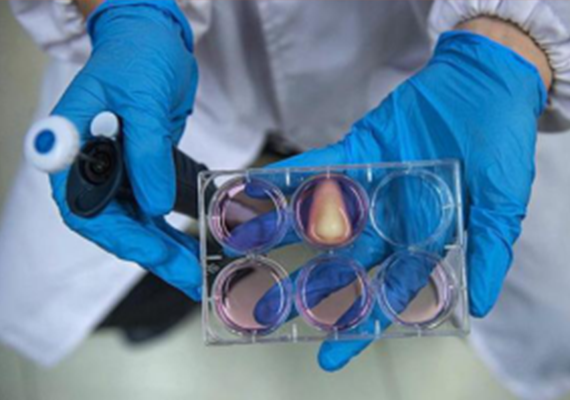
As a research tool for medical experiments. The products of cell printing include two types: tissues and organs. After cells are accurately positioned and cultivated, the formed structures possess biological characteristics and can be used as excellent tools for medical research.
Build and repair tissues and organs
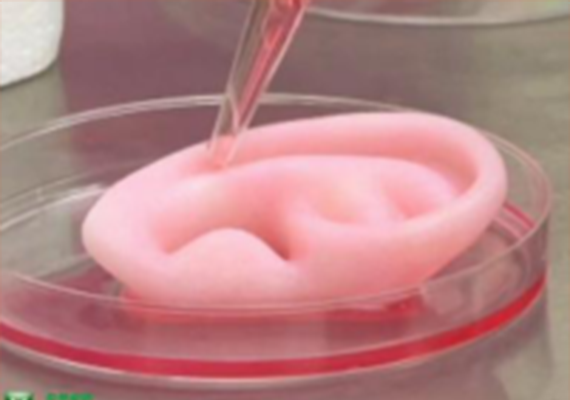
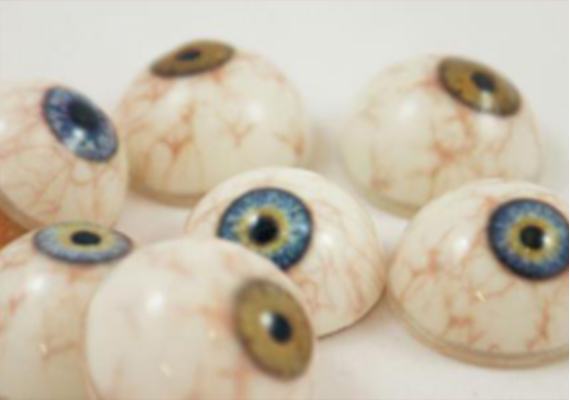
Build and repair tissues and organs. Printed tissues and organs can be used for organ transplantation and repair according to the needs of the patient. Currently, some skin and fat tissues can be printed and used for repair. Printing and transplanting organs is still under research in the future, and the area that is most likely to make a breakthrough first might be in artificial livers.
Develop a model for drug screening in the field of drug research
Develop a model for drug screening in the field of pharmaceutical research. Printed cells can form tissues and organs, which can be used for drug screening experiments. This approach compensates for the current lack of direct protein screening to animal bodies and improves the efficiency of drug screening and the speed of new drug development.
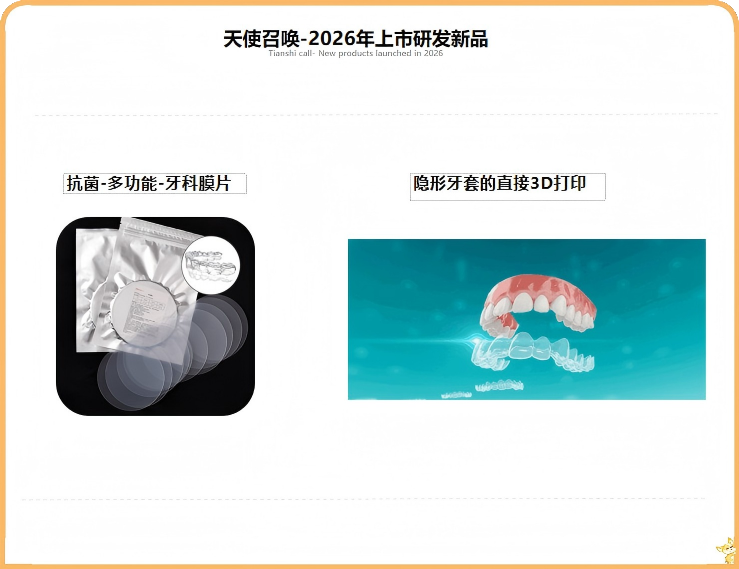
Abel 3D Company focuses on the most advanced medical 3D printing clinical products - with a particular emphasis on developing a complete production chain for oral clinical products.
Advantages of the professional team
Abel 3D Company is a manufacturer that mainly produces 3D-printed medical device products, and also engages in the full-process production of invisible dental braces and provides solution solutions for such products. It is committed to providing reliable and efficient complete solutions for personalized customized products. It focuses on personalized customized products and the digital oral healthcare field, and independently researches and produces.
Abundant case experience
We have established partnerships with over 2,000 hospitals and clinics across the country. Our team designers have collectively completed over 7,000 clinical case designs, and have collaborated with clinical departments to complete dozens of research projects and patents.
Professional design team
The designers are all professionals in the field of medical digital solutions. We also have an advisory team composed of renowned domestic and international academicians, professors and doctors. Our core competitiveness lies in each of the safe and high-quality digital solutions.
Comprehensive quality management system and product qualifications
A complete quality management system for medical device production has been established, ensuring the safety, effectiveness and stability of the products. The 3D-printed medical devices produced and output have all been approved by the National Medical Products Administration.
Organ shortages have become a global problem. For a long time, the medical industry has invested a large amount of resources in research in an attempt to solve the problem of insufficient transplant organs. And recent breakthroughs in the medical field such as 3D printing of livers and kidneys have excited the entire medical industry. With the gradual improvement of the technology of inducing stem cells to differentiate into specific functional cells (such as liver cells, pancreatic cells, etc.), the basic "bio-ink" for 3D printing of human organs to recreate them is not far from the ultimate solution.